
- About
- Our people
- Admission
- Academics
- Student Activities
- Events & Participation
- Gallery
- Student Affairs
- Notifications
- Anti Ragging


.png)
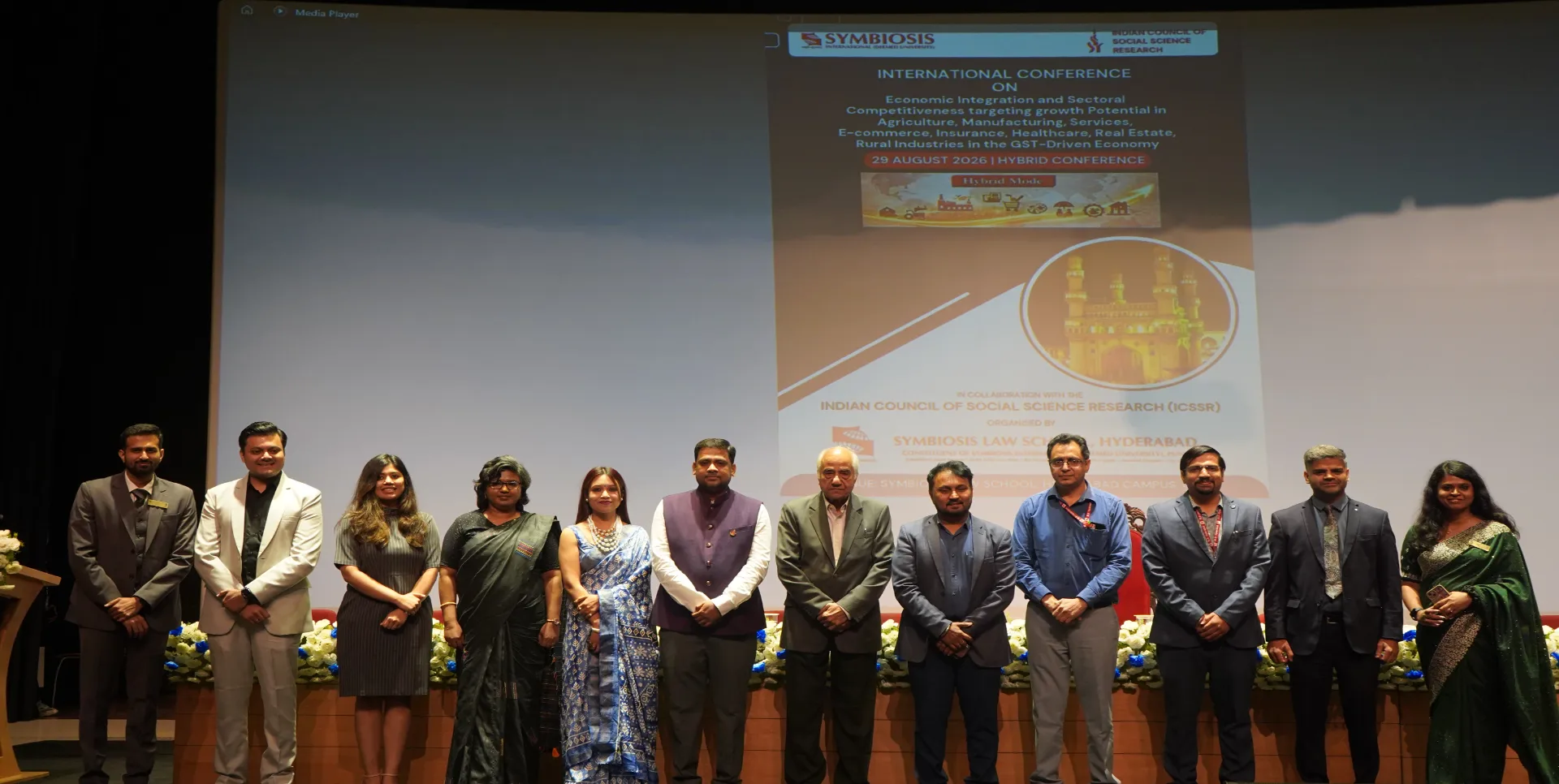
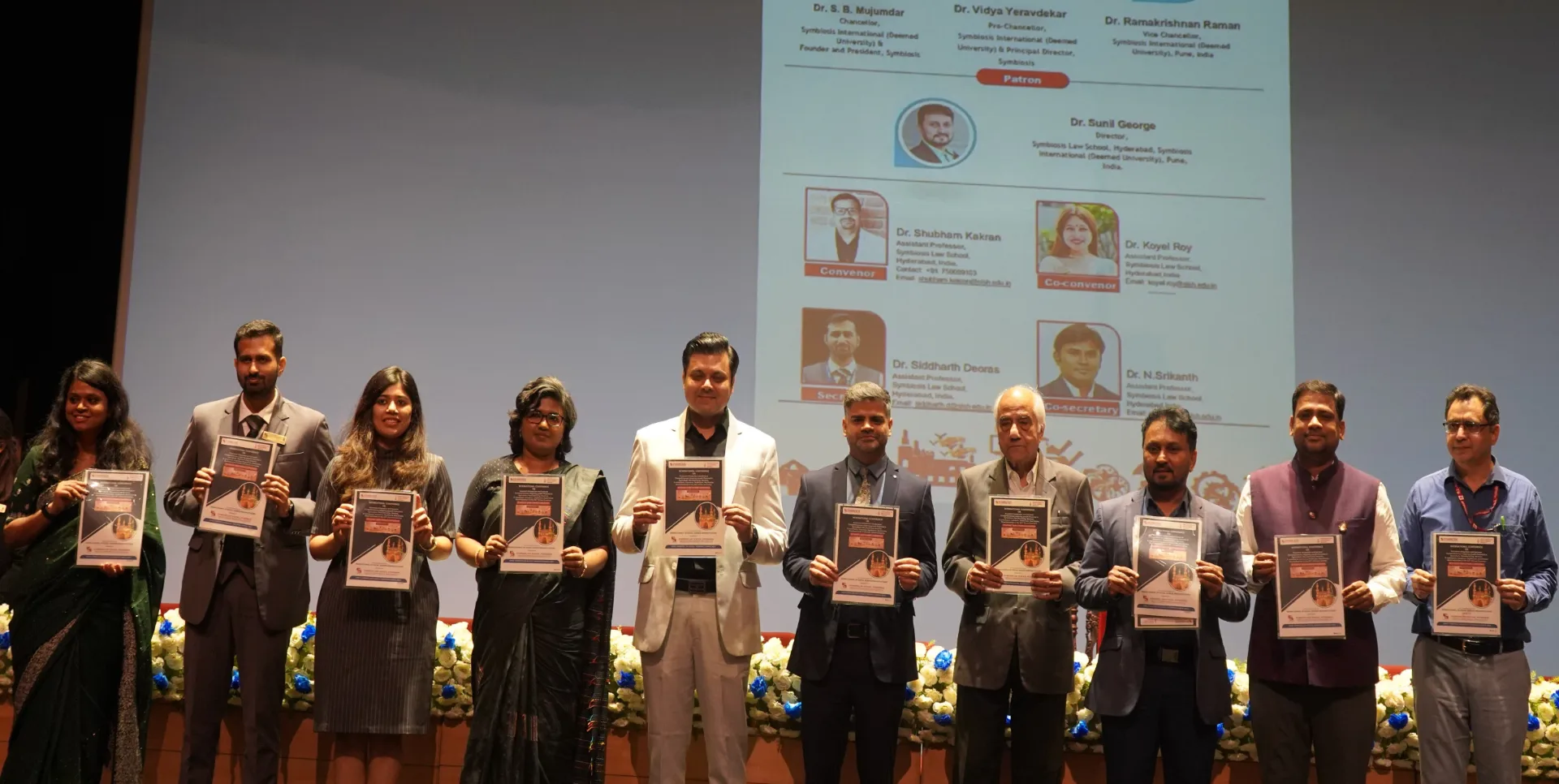
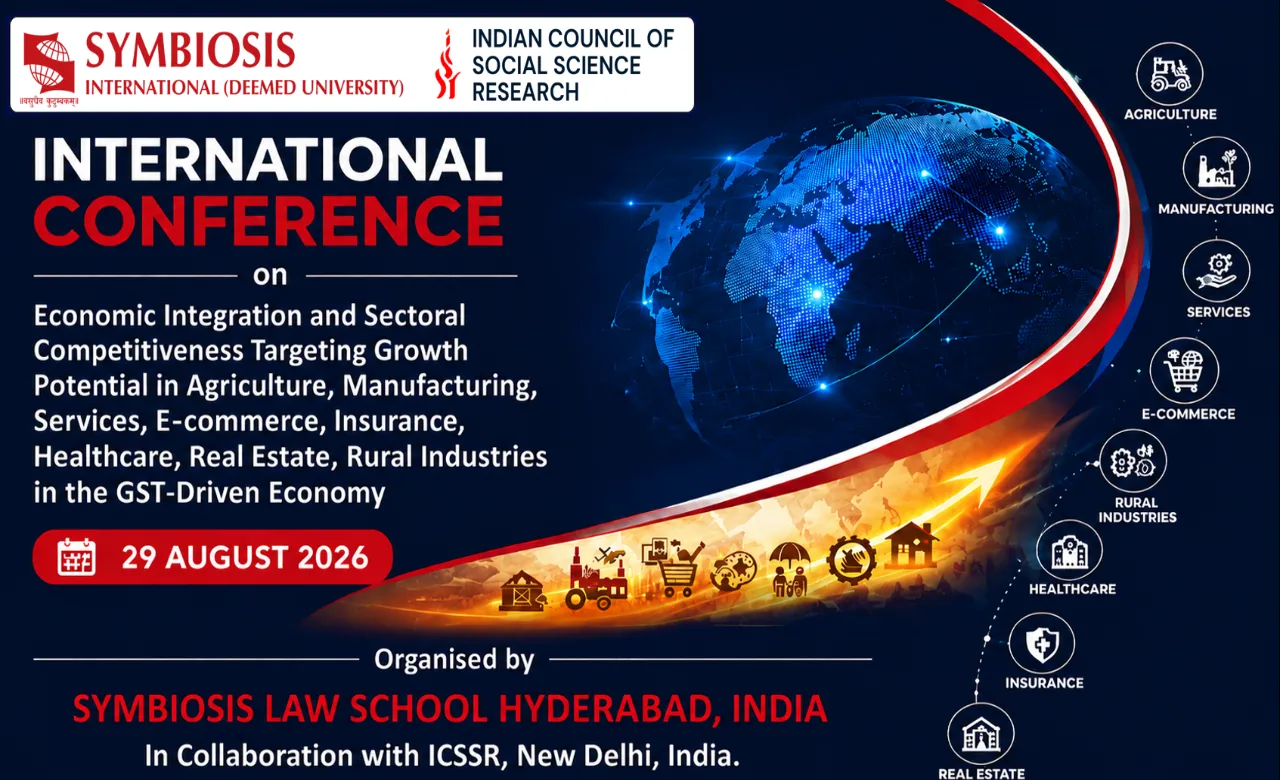
Founded by Prof. (Dr.) S. B. Mujumdar, Symbiosis International (Deemed University) is built on the biological concept of "living together for mutual benefit" and the philosophical motto of Vasudhaiva Kutumbakam—the world is one family. Established to foster international understanding, the university blends Eastern wisdom with Western dynamism to transform students from over 85 countries into global citizens. With 46 constituent institutes covering diverse fields from Management to Health Sciences, SIU has created a vibrant, inclusive ecosystem that consistently ranks among the top institutions globally and nationally for its academic excellence and high employability. Beyond the classroom, Symbiosis is a hub for high-impact research and institutional social responsibility. Its commitment to sustainability and community welfare is reflected in its status as a "Smart City" and its extensive outreach programs, which provide healthcare, digital literacy, and legal aid to dozens of adopted villages. By integrating advanced research in areas like AI and nanotechnology with a deep-rooted dedication to social equity and emotional well-being, SIU continues to shape future-ready leaders who are as socially conscious as they are professionally skilled. Symbiosis International (Deemed University) has been selected to establish the ‘Rotary Peace Centre’ at Lavale Campus. This is the first Rotary Peace Centre in South Asia and the eighth in the World.
Symbiosis Law School Hyderabad is one of the best law schools in India, recognised for its robust academic structure, emphasis on professional training, and increasing engagement with fields influenced by technology and AI. SLSH is recognised for its best B.B.A. LL.B. and B.A. LL.B. programmes covering Constitutional Law, Criminal Law, Corporate Law, Commercial Law and International Law. Its multidisciplinary method brings together law, management, humanities, technology, and AI to prepare students for the realities of modern legal practice. It offers LL.M. specialisations in Corporate Law and Criminal Law, as well as a PhD in Law.
Social and human sciences research enhances understanding of the social reality and the issues and problems that need to be solved. The actionable outcomes of research provide policy inputs and frameworks for socio-economic and all-round development and generate ideas, facts, insights and methodologies that can be used in policy framing, teaching and research.
India has had a long, cumulative and rich tradition of thought production in social and human sciences since the Rigveda (1500 BCE). The intellectual tradition since Panini has reflected on the social and cultural meaning and evolved epistemologies of enquiry for the attainment knowledge based on observation, logical and rational thinking. Educational and research institutions such as Takshashila, Nalanda, Vikramashila, Vallabhi, Pushpagiri and Somapura flourished as global centres of learning in different parts of India, and produced great knowledge in diverse fields such as Ayurveda, Medicine and Surgery, Jurisprudence, Mathematics, Astronomy, Physics, Metallurgy, Civil Engineering, Architecture, Philosophy, Grammar, Agriculture, Economics, Commerce, Politics, Statecraft, Military Education, Literature, Craft etc. These institutions set very high standards of teaching, learning and research for scholars from across the world. This system of Indian education produced scholars of great stature such as Aryabhatta, Bhaskaracharya, Amarsimha, Chandrabardai, Banbhatta, Dandin, Jivaka Komarabhacca, Mahaviracharya, Charaka, Susruta, Baudhayan, Chanakya, Brahmagupta, Panini, Patanjali, Nagarjuna, Pingala, Gargi, Kanad, Varahamihira, Thiruvalluvar, Tolkappiyar and so on.
It has been recognised that the need of the hour is to shift from merely documenting the 'exceptionalism' of India to engaging with the diverse social realities of the country with a philosophical stance of inwardness, so as to be able to develop an original and fresh understanding of a larger variety of issues, generate new theories and perspectives and represent the multiple voices of varied people of India.
In the 21st century, when the nation aims to become a Viksit Bharat by its centenary year of Independence, 2047, ICSSR seeks to establish a symmetry between social research and society. In line with the recommendation of the National Education Policy (2020), it seek make social research equitable, affordable, inclusive, socially sensitive and globally competitive.
It is an autonomous body under the Ministry of Education, Government of India and a premier organisation with 24 Research Institutes (grant-in-aid), 17 Recognised Research Institutes and Six Regional Centres located in different parts of the country
Indian Council of Social Science Research
Aruna Asaf Ali Marg, New Delhi- 110067.
Indian Council of Social Science Research
Aruna Asaf Ali Marg, New Delhi- 110067.

SLS, Hyderabad is cocooned in the upcoming educational zone with state of art infrastructure catering impending needs of student community.